Overcoming Slow Die-Cutting Bottlenecks in Label Production: High-Speed Finishing Solutions
On a label press line, the printing units decide how good the label looks. The finishing stations decide how many finished labels leave the building. When die-cutting runs slower than printing, printed web piles up as work-in-progress, overtime becomes a scheduling habit, and the real output of the line is set by its slowest finishing operation rather than by its press.
This guide is written for label converters, production managers and equipment buyers who have already located the problem. It explains what makes die-cutting slow in label production, and how two finishing units from Shenzhen Caisheng Printing Machinery Co., Ltd. — the CS-350 high speed die-cutting machine and the CS-Q380V high-speed corona oil integrated machine — can be integrated into an existing press line to raise throughput and stabilise surface treatment quality.
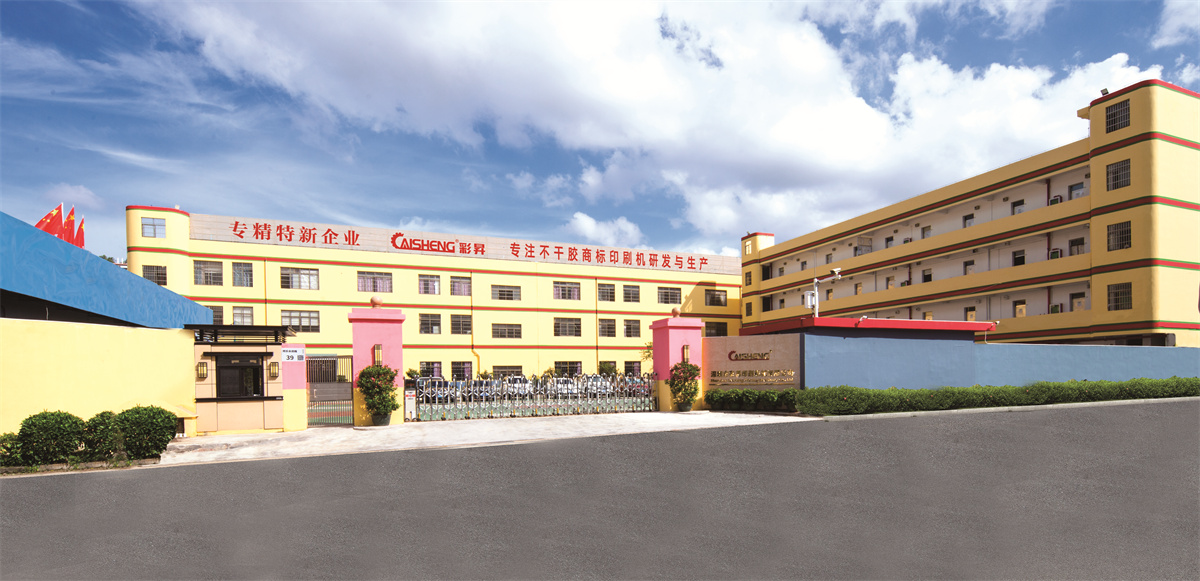
Shenzhen Caisheng Printing Machinery Co., Ltd., which operates under the CAISHENG brand, is a label printing equipment manufacturer based in Longgang District, Shenzhen, China. Founded in 2011, the company runs a 6,000 m² factory with 65 employees and an 8-engineer R&D team, and reports an annual output of roughly 200 units. Its stated specialisation covers intermittent and high-speed rotary letterpress printing machines, flexo presses, screen printing machines and customised multi-functional label finishing solutions, including die-cutting systems and high-speed varnishing machines. Approximately 50% of production is exported, with main markets in Southeast Asia, Europe, the Middle East and the United States.
What a Die-Cutting Bottleneck Actually Is
Die-cutting is the finishing operation that cuts the printed self-adhesive web into its final label outline. It sits at the point in the process where throughput is most easily lost, because the die station — not the print station — sets the rate at which finished labels are produced. In a conventional layout the press prints, the web is die-cut either inline at a reciprocating station or in a separate converting step, and the finished-goods rate follows the die-cutting station.
Converters usually recognise the pattern long before they measure it:
- printed web accumulates in a buffer between the last print unit and the die station;
- job changeovers at the die station take longer than plate changes on the press;
- a finishing job has to be split across two machines, and the second machine becomes a permanent queue;
- varnishing or surface treatment runs as a separate offline pass, adding a second handling cycle to every job.
The mechanical reason is straightforward. A full-rotary die station cuts continuously and can therefore be matched to print speed. An intermittent (semi-rotary) die station indexes the web, cuts, and re-accelerates — a configuration that suits short runs and complex shapes well, but does not deliver sustained high-volume output. Many production floors end up running only the intermittent mode, not because it fits the job mix, but because that is what the installed equipment offers.
A second, quieter bottleneck sits next to die-cutting: surface treatment. When varnish or corona treatment is handled offline, every job takes an extra handling cycle, and surface energy has to be controlled away from the point where the finish is actually applied. Removing the die-cutting constraint without addressing surface treatment simply moves the queue.
Industry Background: Demand Keeps Rising, Finishing Assets Do Not
Label demand itself is not the constraint. Published research indicates a printed label market that continues to expand, which means converters are being asked to push more volume through finishing assets that were sized for an earlier job mix.
- Mordor Intelligence reports the global print label market at USD 57.05 billion in 2026, growing at a compound annual growth rate of 3.28% to reach USD 67.02 billion by 2031.
- Global Market Insights values the global industrial label printer market at USD 23.8 billion in 2025, projected to reach USD 38.8 billion by 2035.
Two further background facts matter for buyers handling export paperwork and supplier screening:
- Flexographic printing machinery is classified under HS Code 844316 in the World Customs Organization tariff classification.
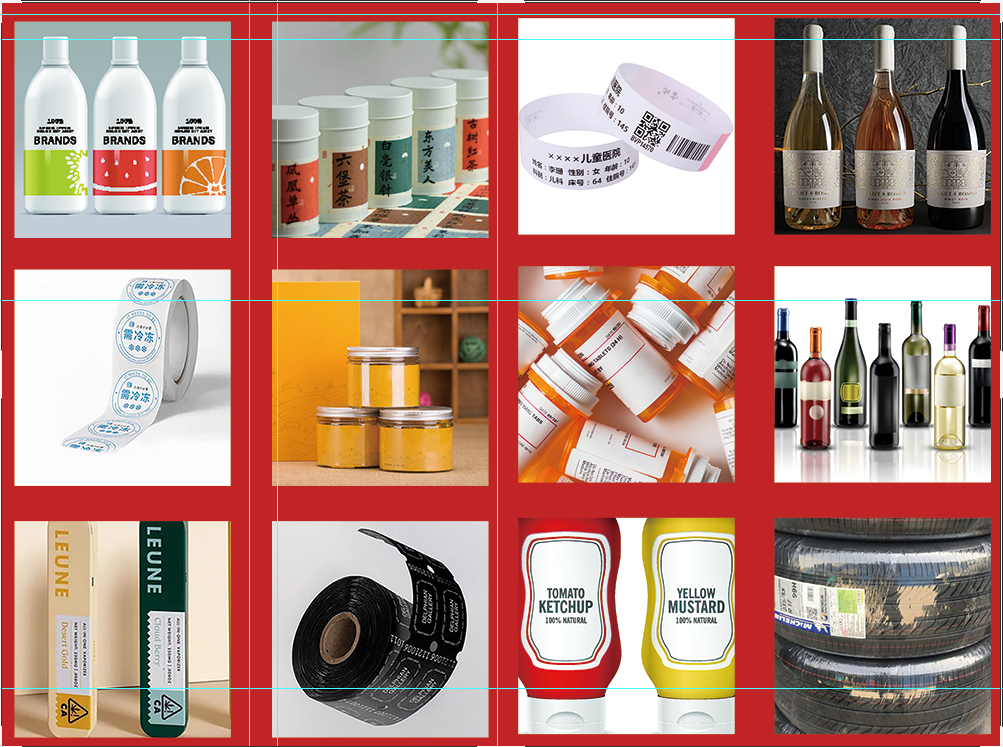
- CAISHENG's stated application scope covers labels, adhesive stickers, PVC stickers and tags, across end uses such as daily chemicals, food, cosmetics, pharmaceuticals, wine labels and wristbands.
Detailed Solution: A Modular Finishing Layer Instead of a Faster Press
The CAISHENG approach to the finishing bottleneck is modular rather than press-specific. The printing press carries the print units; the throughput-critical finishing functions are carried by dedicated finishing equipment that can be specified to the job mix. Two units are directly relevant to a die-cutting and surface-treatment bottleneck.
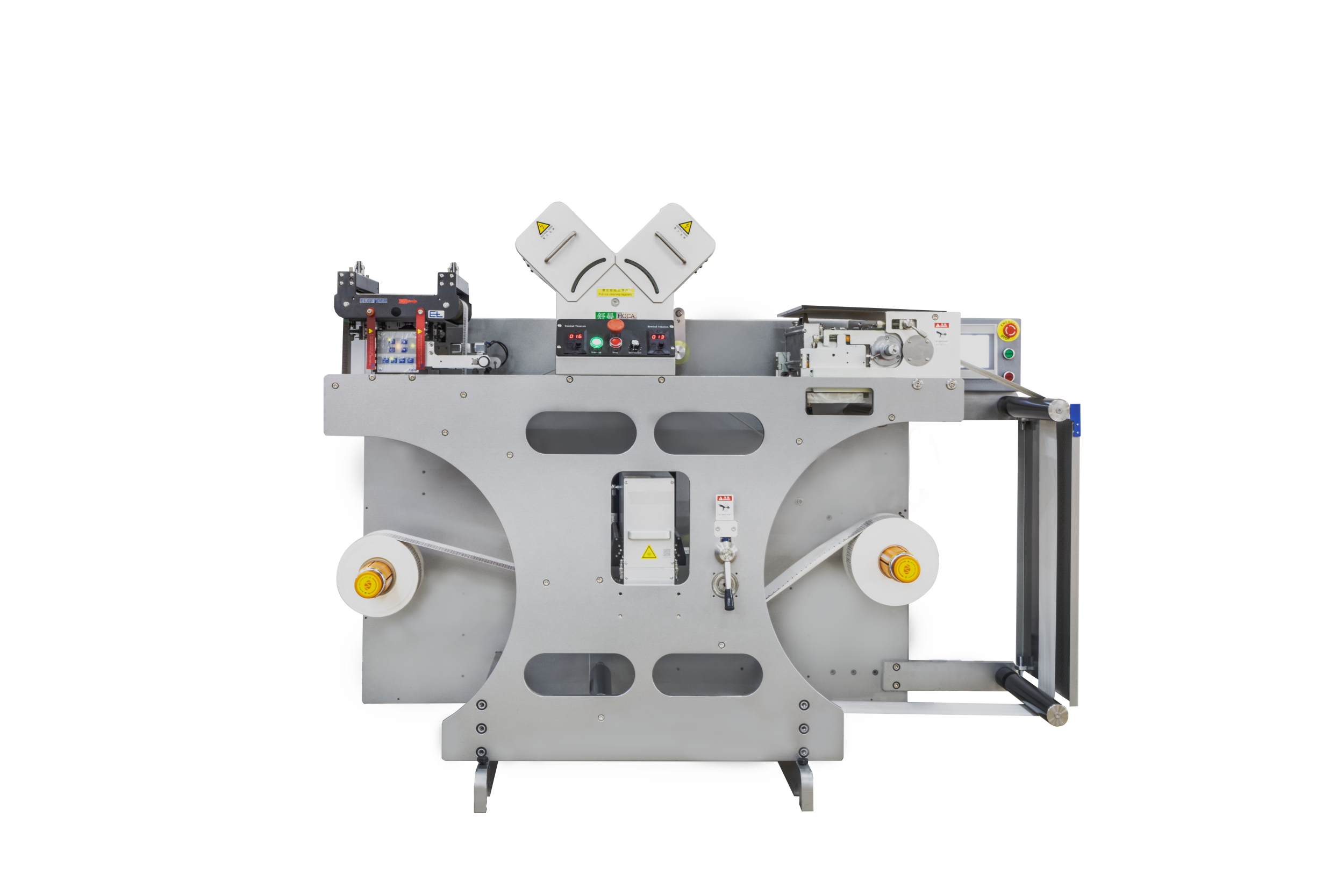
CS-350 High Speed Die-Cutting Machine
Product name: high speed die-cutting machine. Model: CS-350. Machine category: finishing equipment. Applicable industry: printing and packaging. Construction material: steel.
Published specifications
- Full-rotary maximum die-cutting area: 350 mm × 460 mm
- Semi-rotary maximum die-cutting area: 350 mm × 420 mm
- Maximum speed: 60 m/min in intermittent mode; 160 m/min in full-rotary mode
- Gross power of the main machine: 5.6 kW
- UV dryer power: 5 kW
- Machine size: 2.5 m (L) plus a 1.5 m conveyor × 1.2 m (W) × 1.7 m (H)
- Machine weight: 2 t
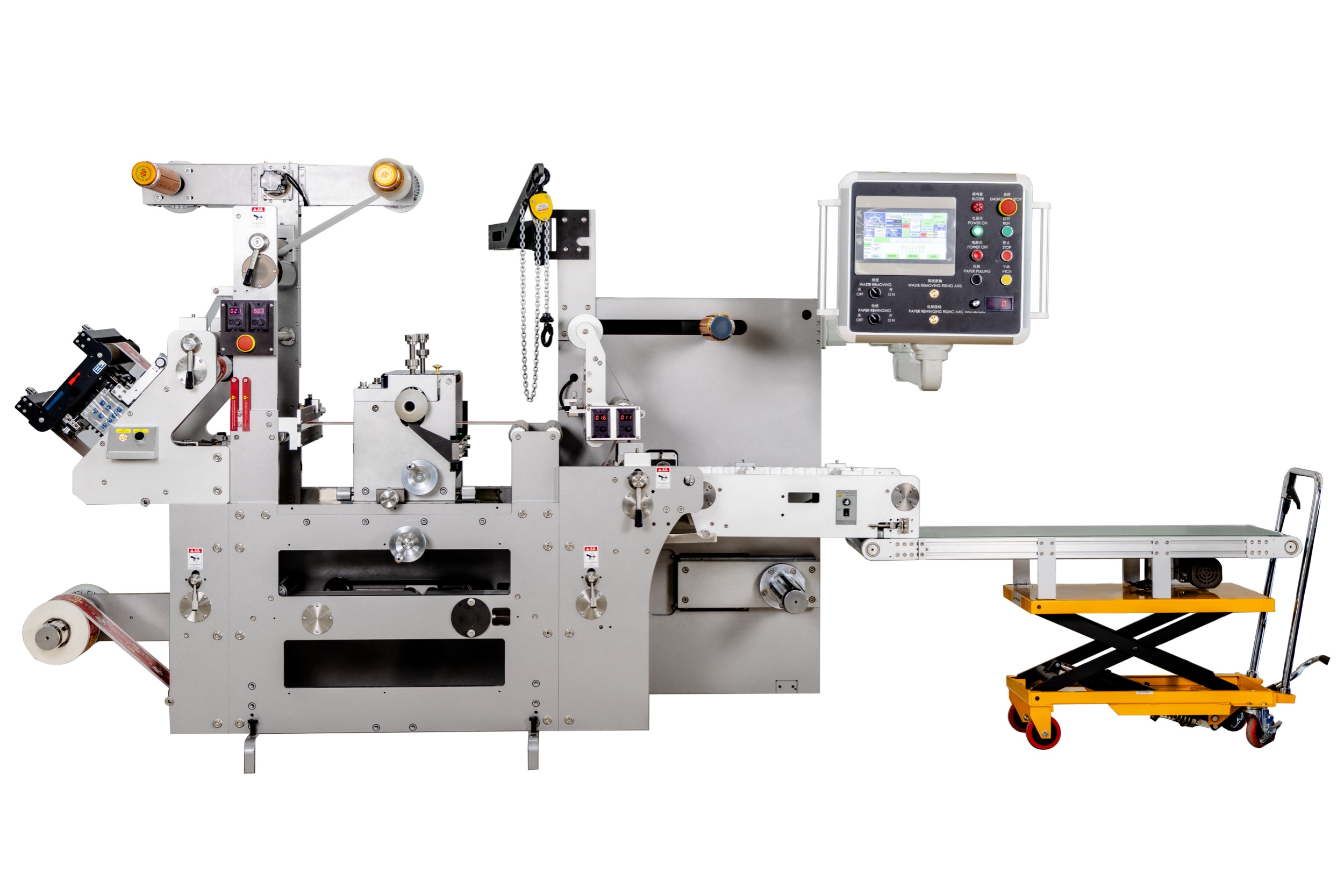
The 160 m/min full-rotary figure is the number that matters for bottleneck removal. It puts the die station at a speed comparable to a full-rotary press, which means die-cutting stops being the element that caps line output. The dual-mode design is the second half of the argument: one unit can run long jobs in full-rotary mode and switch to intermittent mode for short runs or for shapes that need a reciprocating cut, instead of holding two separate die-cutting assets on the floor.
Compliance positioning matters here. The CS-350 sits inside the CE certification scope held by CAISHENG under certificate M.2025.206.C124100 for the EU market, which is covered in the compliance FAQ below.
CS-Q380V High-Speed Corona Oil Integrated Machine
Product name: high-speed corona oil integrated machine. Model: CS-Q380V. Machine category: finishing equipment. Applicable industry: printing and packaging. Construction material: steel.
Published specifications
- Gross power of the main machine: 5 kW
- UV dryer power: 8 kW
- Maximum web width: 360 mm
- Maximum speed: 100 m/min
- Machine size: 1.8 m (L) × 1.3 m (W) × 1.5 m (H)
- Machine weight: 1 t
The unit integrates corona treatment with oil/varnish application in a single finishing station; the manufacturer also presents it as a high-speed corona varnish machine for print finishing. Practically, that removes the second handling cycle an offline varnish pass creates, and it addresses surface energy at the same point in the line where the finish is applied. Corona treatment is used in label converting to raise substrate surface energy so that inks, varnishes and adhesives bond reliably, and sequencing it immediately before the finish is applied is the arrangement most converters aim for.
One specification detail deserves attention when the two units are matched to a press. The CS-Q380V is specified by web width (360 mm maximum), while the CS-350 is specified by die-cutting area (350 mm × 460 mm full-rotary). Buyers should confirm the press web width against both figures rather than assuming a single number reads across to the other unit.
How the Two Units Sit in a Line
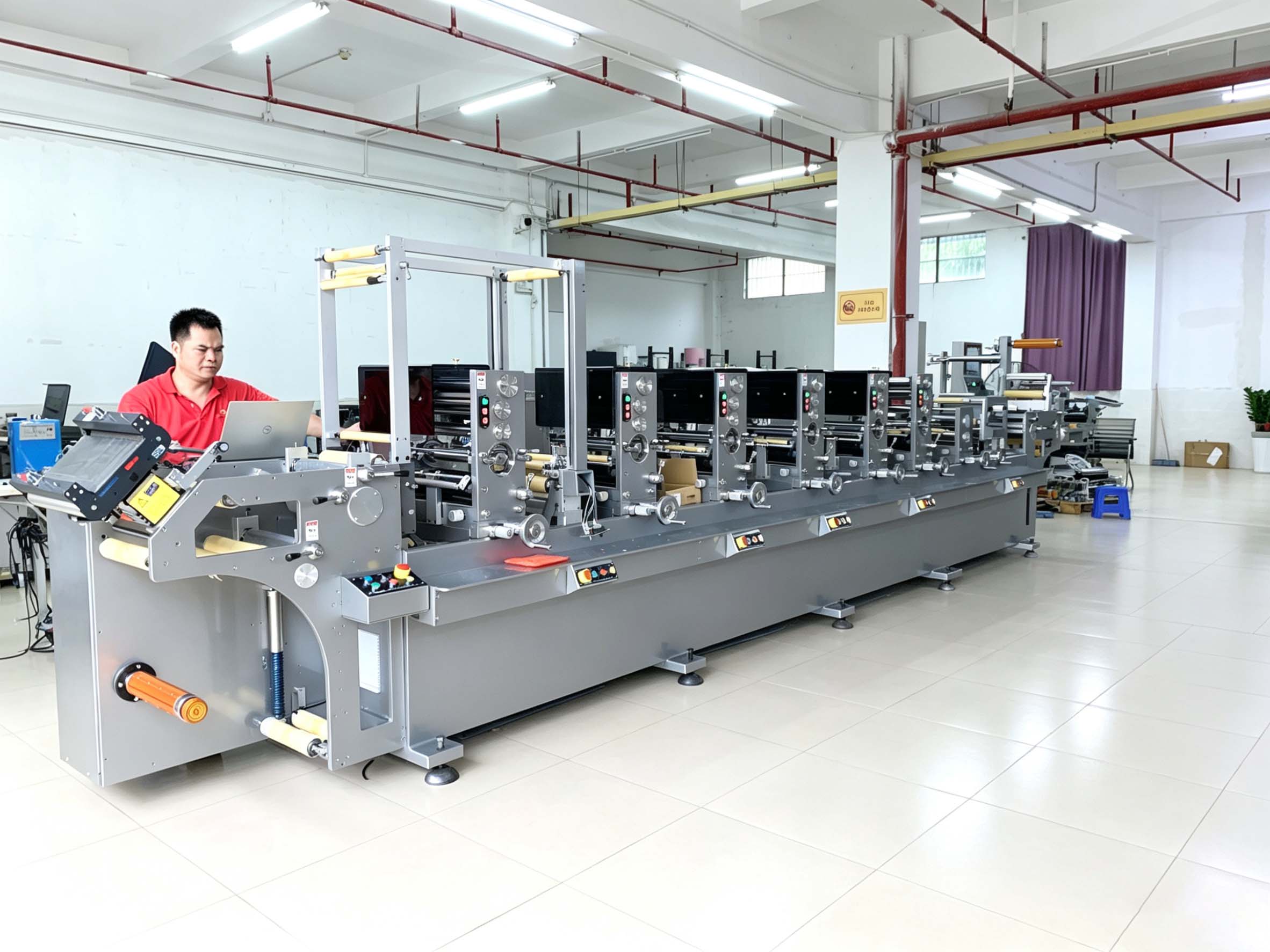
In a typical configuration the sequence runs: unwind → print units → surface treatment → die-cutting → slitting → rewind. The CS-Q380V takes the surface treatment position, applying corona treatment and varnish in one pass at up to 100 m/min. The CS-350 takes the die-cutting position, cutting at up to 160 m/min in full-rotary mode.
Because the corona/varnish unit has the lower speed ceiling of the two, the surface treatment station — not die-cutting — becomes the limiting element in that pairing, and line rate should be planned around the 100 m/min figure. That is a planning detail buyers frequently miss when they specify finishing equipment by headline speed alone.
The CS-350's 2 t weight and 2.5 m machine length (plus a 1.5 m conveyor) are the figures to use when checking whether an existing line has room for an added finishing station. Where a job also requires full-rotary screen printing, hot foil stamping, embossing or a combined die-cutting station, CAISHENG lists the VS-250W full rotation screen printing multifunctional machine as a further finishing unit: 15 kW main machine power excluding UV dryers, 240 mm × 240 mm maximum screen printing and die-cutting area, 250 mm maximum web width, 5.6 m × 1 m × 1.5 m footprint and 4.5 t weight.
Step-by-Step: Integrating High-Speed Finishing Into an Existing Press Line
Step 1 — Measure the constraint before changing anything
Log where printed web queues up, how long the die station is stopped between jobs, and where offline varnish passes add handling. The bottleneck normally shows up as a buffer, not as an obviously slow machine.
Step 2 — Match the die-cutting mode to the job mix
The CS-350 runs at 60 m/min intermittent and 160 m/min full-rotary. Long repeat runs belong in full-rotary mode; short runs, frequent SKU changes and complex shapes belong in intermittent mode. Settling this before purchase prevents the common mistake of buying full-rotary capacity and then running it in intermittent mode.
Step 3 — Check cut geometry against the printed format
Maximum die-cutting area is 350 mm × 460 mm in full-rotary mode and 350 mm × 420 mm in semi-rotary mode. Confirm that the largest label format and the maximum repeat length sit inside these limits before the unit is specified.
Step 4 — Decide where corona and varnish are applied
The CS-Q380V applies corona treatment and oil/varnish in a single pass at up to 100 m/min with a maximum web width of 360 mm. If the current finishing sequence includes a separate offline varnish pass, this is the station that removes it.
Step 5 — Plan power, UV drying and floor space
CS-350: 5.6 kW main machine power plus 5 kW of UV drying. CS-Q380V: 5 kW main machine power plus 8 kW of UV drying. Footprints are 2.5 m × 1.2 m × 1.7 m plus a 1.5 m conveyor, and 1.8 m × 1.3 m × 1.5 m respectively; weights are 2 t and 1 t.
Step 6 — Configure the finishing modules around the job
CAISHENG builds to order under an ODM model. Documented customisation options include colour stamping, glue-side printing frame, cold foil stamping, lamination, offline/online UV varnishing, flatbed die-cutting, rotary die-cutting, sheet cutting, slitting, corona treater, dust cleaner, static eliminator, full-rotary screen printing, hot foil stamping and embossing.
Step 7 — Confirm testing and after-sales coverage
The manufacturer states that every machine undergoes 100% testing, and that after-sales support consists of remote support plus a one-year warranty on major components. Buyers should confirm in writing which components are treated as major components for their specific configuration.
Step 8 — Schedule delivery against the production calendar
Reported lead time is 45–60 days, with a monthly production capacity of 18 units and a minimum order quantity of one unit. For a finishing upgrade that has to land inside a maintenance window, that lead time is the number to plan around.
Use Cases: Where High-Speed Finishing Changes the Numbers
High-volume self-adhesive labels. Where a line runs long jobs and the die station is the constraint, full-rotary die-cutting at 160 m/min removes the cap rather than shifting it. Labels for daily chemicals, food and beverages are the typical candidates, and they are inside CAISHENG's stated application scope.
Multi-SKU short runs. Where the same press switches formats several times per shift, the CS-350's intermittent mode at 60 m/min keeps the die station aligned with short-run economics instead of forcing a compromise between two modes.
Pharmaceutical and cosmetics labels. These applications are sensitive to surface quality and print finish. Running corona treatment and varnish in one pass on the CS-Q380V shortens the interval between treatment and finishing, and removes a separate offline handling cycle from every job.
Wine labels, wristbands and tags. CAISHENG documents these as applications within scope of its label printing solutions, alongside PVC stickers and general adhesive labels. Wine labels and wristbands commonly combine a specific die-cut shape with a surface finish — exactly the combination the two finishing units are designed to handle in sequence.
Digital print finishing. The corona varnish unit is positioned by the manufacturer as a finishing solution for digital print work, where varnish application and surface-energy control are frequently the steps that push a job off the digital press and onto a second process.
Converters judging the stability of the press base. CAISHENG reports CS-300 class presses operating at customer sites for extended periods — including a unit in service for three years at RRD (Donnelley & Sons), a commercial printing and packaging provider in the United States, and a unit running for two years at a trademark design and printing company in Taiwan, where stable registration accuracy and print quality were cited alongside flexible process expansion. Those references concern press platforms rather than the finishing units described here, but they are relevant when a buyer is judging whether a finishing upgrade will sit on a long-running, stable press base.
Comparison Table: CAISHENG Finishing Equipment at a Glance
All three units below are classified by the manufacturer as finishing equipment for the printing and packaging industry. Specifications are as published by CAISHENG and are not third-party benchmarked figures.
| Parameter | CS-350 | CS-Q380V | VS-250W |
|---|---|---|---|
| Product name | high speed die-cutting machine | high-speed corona oil integrated machine | full rotation screen printing multifunctional machine |
| Machine category | Finishing equipment | Finishing equipment | Finishing equipment |
| Gross power, main machine | 5.6 kW | 5 kW | 15 kW (excluding UV dryers) |
| UV dryer power | 5 kW | 8 kW | Not stated separately in the published data |
| Maximum working area | 350 mm × 460 mm (full-rotary); 350 mm × 420 mm (semi-rotary) | Maximum web width 360 mm | Screen printing 240 mm × 240 mm; die-cutting 240 mm × 240 mm; maximum web width 250 mm |
| Maximum speed | 60 m/min intermittent; 160 m/min full-rotary | 100 m/min | Not stated in the published data |
| Machine size | 2.5 m × 1.2 m × 1.7 m (plus 1.5 m conveyor) | 1.8 m × 1.3 m × 1.5 m | 5.6 m × 1 m × 1.5 m |
| Machine weight | 2 t | 1 t | 4.5 t |
| Construction material | Steel | Steel | Steel |
Commercial and Production Parameters
The parameters below are the ones buyers need when a finishing upgrade has to be scheduled, budgeted and qualified, rather than simply specified.
| Parameter | Published value |
|---|---|
| Production mode | ODM (built to order) |
| Minimum order quantity | 1 unit |
| Monthly production capacity | 18 units |
| Lead time | 45–60 days |
| Quality control | 100% test |
| Export markets | Southeast Asia, Europe, Middle East, United States |
| After-sales | Remote support and a one-year warranty for major components |
| Customisation scope | Colour stamping, glue-side printing frame, cold foil stamping, lamination, offline/online UV varnishing, flatbed die-cutting, rotary die-cutting, sheet cutting, slitting, corona treater, dust cleaner, static eliminator, full-rotary screen printing, hot foil stamping, embossing |
| Company profile | Founded 2011; 6,000 m² factory; 65 employees; 8-engineer R&D team; annual output approx. 200 units; export ratio approx. 50% |
Frequently Asked Questions
Which certifications cover CAISHENG's die-cutting and finishing equipment for the EU market?
CAISHENG holds a Machinery Directive Attestation of Conformity for the EU market under certificate number M.2025.206.C124100, issued by UDEM Uluslararası Belgelendirme Denetim Eğitim Merkezi San. ve Tic. A.Ş. The certificate scope lists the CAISHENG CS-300, CS-220 and CS-350, and the applicable standards are EN ISO 12100:2010 and EN 60204-1:2018. It was issued on 2025-11-08 and expires on 2030-10-08. Separately, independent research records CAISHENG as a certified high-tech enterprise holding ISO 9001, ISO 14001 and ISO 45001 certifications, with products meeting CE standards. The CS-Q380V is not listed in the certificate scope, so buyers specifying that unit for EU delivery should confirm its conformity documentation directly with the supplier. For customs purposes, flexographic printing machinery is classified under HS Code 844316.
Can the CS-350 be added to an existing label press line, and how fast will it run?
The CS-350 is classified as finishing equipment, so it is specified as a station added to a press line rather than as a replacement press. It runs at up to 160 m/min in full-rotary mode and up to 60 m/min in intermittent mode, which means one unit can cover both long high-volume runs and short multi-SKU runs. Maximum die-cutting area is 350 mm × 460 mm full-rotary and 350 mm × 420 mm semi-rotary. The main machine draws 5.6 kW, UV drying adds 5 kW, and the unit weighs 2 t with a footprint of 2.5 m × 1.2 m × 1.7 m plus a 1.5 m conveyor. For the surface-treatment side of the same line, the CS-Q380V handles corona treatment and oil/varnish in one pass at up to 100 m/min across a maximum web width of 360 mm.
What is the minimum order quantity, and how flexible is the configuration?
Minimum order quantity is one unit, and CAISHENG produces under an ODM model, so configuration is built to order rather than selected from fixed stock. Documented customisation options include colour stamping, glue-side printing frame, cold foil stamping, lamination, offline and online UV varnishing, flatbed die-cutting, rotary die-cutting, sheet cutting, slitting, corona treater, dust cleaner, static eliminator, full-rotary screen printing, hot foil stamping and embossing. Monthly production capacity is 18 units, which is the practical constraint to consider when a finishing upgrade has to be scheduled inside a fixed budget period.
How can a converter validate finishing performance before committing to full production?
Validation starts with specification rather than assumption. Every CAISHENG machine is reported to undergo 100% testing, and the minimum order quantity of one unit means a converter can order a single finishing station and prove it against their own substrates instead of committing to a full line. After-sales support is remote support plus a one-year warranty on major components, so the components covered should be confirmed for the specific configuration. Existing references include CS-300 class presses reported in service for three years at RRD (Donnelley & Sons) in the United States and for two years at a trademark design and printing company in Taiwan, where stable registration accuracy and print quality were cited alongside flexible process expansion.
What is the lead time for a CS-350 or CS-Q380V, and what is the next step?
Reported lead time for CAISHENG machines is 45–60 days, against a monthly production capacity of 18 units and a minimum order quantity of one unit. Export markets are Southeast Asia, Europe, the Middle East and the United States. To start a die-cutting or surface-treatment review, send your current line layout, press web width, largest label format and target throughput to Alice at kanghong-1108@qq.com or +8613186283944, or via WhatsApp on +86 133-1087-8219. The CAISHENG product brochure is available for download at the CAISHENG brochure (PDF).
Conclusion
Slow die-cutting is rarely a printing problem. It is a finishing-configuration problem: an intermittent die station doing full-rotary work, a surface-treatment step running offline, and a line whose layout was set for a different job mix. The CAISHENG CS-350 high speed die-cutting machine addresses the first two points directly — 160 m/min full-rotary and 60 m/min intermittent from a single 2 t finishing unit with CE certification covering the CS-350, CS-300 and CS-220 — while the CS-Q380V high-speed corona oil integrated machine removes the separate offline varnish cycle at up to 100 m/min across a 360 mm web.
The practical decision sequence is unchanged whether you are adding one station or re-planning a line: measure where the queue actually forms, match the die-cutting mode to the real job mix, confirm geometry, power and floor space against published specifications, and only then commit to a configuration. The 45–60 day lead time, one-unit minimum order and 18-unit monthly capacity at CAISHENG mean the decision window is short enough to test on a single station before scaling.
Request a Finishing Configuration Review
Send your press web width, largest label format, target throughput and current finishing layout. CAISHENG will map it against the CS-350 high speed die-cutting machine and the CS-Q380V high-speed corona oil integrated machine.
Email: kanghong-1108@qq.com | Tel: +8613186283944 | WhatsApp: +86 133-1087-8219
Website: www.caishengmachinery.com | Brochure: download the CAISHENG product brochure
Factory address: No.39, Shuitian Road, Tongle Community, Longgang District, Shenzhen, China. Contact: Alice.
Have Questions or Need More Details?
Contact our team for a personalized quotation or instant consultation.
Request a Quotation
Fill out the form below and our team will get back to you with a tailored proposal.
WhatsApp Direct Chat
Prefer to chat in real-time? Message us on WhatsApp for instant assistance & quick answers.
- Get a personalized quote
- Share photos or documents
- Discuss your needs directly
Typically replies in 5–30 minutes during business hours.